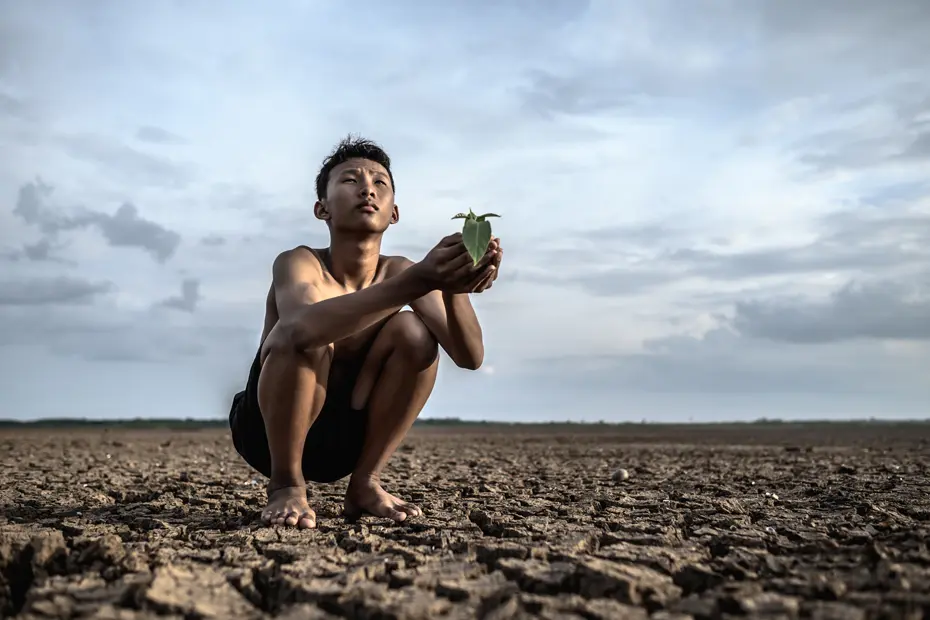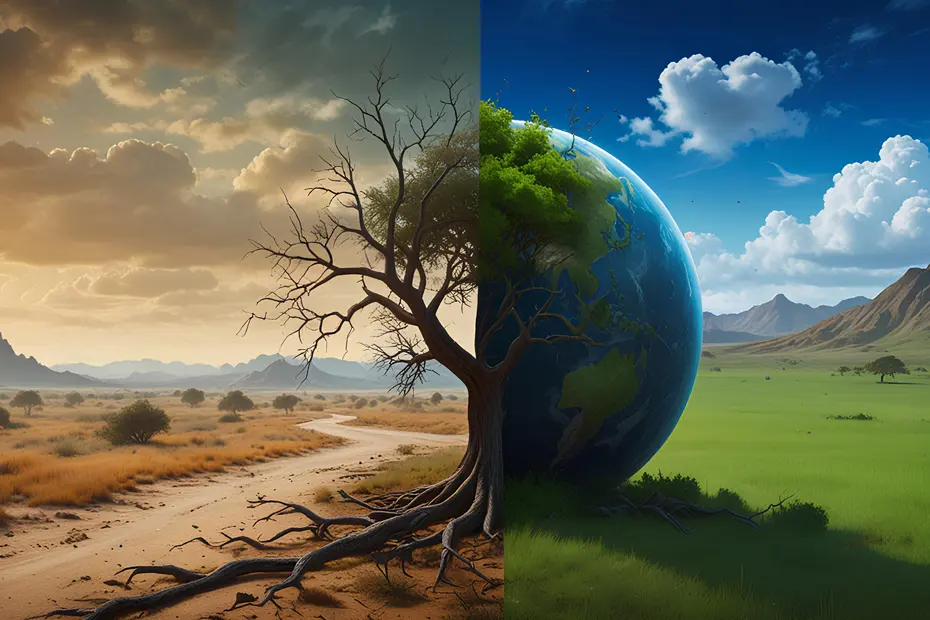
The Greatest Existential Threat to Our Planet
Climate change is one of the most serious threats facing humanity. If greenhouse gas emissions from fossil fuel combustion are not significantly reduced, rising global temperatures could lead to massive crop and fishery collapse, species extinction, and entire communities becoming uninhabitable.
While some impacts may still be preventable, climate change is already causing suffering and loss of life. From devastating wildfires to intensified storms, its effects are visible today.
Although climate change affects everyone, the poorest nations — which contributed least to the problem — are the most vulnerable. Similarly, low-income communities and communities of color are often on the frontlines of climate impacts. Addressing climate change also means advancing climate justice.
Effects of Climate Change on Weather
As global temperatures rise, weather systems shift dramatically, increasing the intensity and unpredictability of extreme events.
- Droughts
- Hurricanes
- Floods
- Heat waves
The planet has already warmed approximately 1.1°C since the preindustrial era. Without action, temperatures could rise by up to 4°C by 2100.
Higher Average Temperatures
Even small increases in global temperature lead to more frequent and intense heat waves. Heat-related illnesses and fatalities are increasing, particularly in areas lacking climate-resilient infrastructure.
Longer and More Severe Droughts
Rising temperatures accelerate evaporation, leading to more persistent drought conditions. Extended droughts reduce water supplies, damage agriculture, and increase forest vulnerability to pests and wildfires.
More Intense Wildfires
Hotter and drier conditions contribute to longer and more destructive wildfire seasons. Wildfires have significantly increased in frequency and intensity in many regions.
Stronger Storms
Warmer air holds more moisture, intensifying storms and increasing heavy rainfall. Severe hurricanes are expected to become more frequent, raising flood risks globally.
Effects of Climate Change on the Environment
Climate change disrupts ecosystems from polar regions to tropical forests. Even slight temperature shifts can cause cascading ecological effects.
Melting Sea Ice
Polar regions are warming twice as fast as the global average. Rapid glacier and ice sheet melting contribute to rising sea levels and further warming through feedback loops.
Sea Level Rise
Melting ice and thermal expansion of seawater may raise sea levels significantly this century. Coastal cities and island nations face infrastructure damage, displacement, and freshwater contamination.
Flooding
Increased rainfall intensity and rising seas are expanding floodplains. Both coastal and inland flooding events are becoming more frequent and severe.
Hotter Oceans and Marine Heatwaves
Oceans absorb over 90% of excess heat trapped by greenhouse gases. Rising ocean temperatures disrupt marine ecosystems, shift species migration patterns, and threaten fisheries.
Increased carbon dioxide absorption also causes ocean acidification, harming coral reefs and shell-forming organisms.
Ecosystem Stress and Biodiversity Loss
Climate change increases the spread of pests, invasive species, and diseases. Vegetation shifts and wildlife disruptions reduce ecosystem resilience. Many ecosystems are approaching critical tipping points.
Climate Justice and Global Responsibility
Climate change and inequality are interconnected crises. Those least responsible for emissions often suffer the greatest impacts. Global cooperation and equitable climate action are essential to protect vulnerable populations.
Conclusion
Climate change poses a fundamental threat to ecosystems, economies, and human well-being. Immediate action is required to reduce carbon emissions and adapt to unavoidable impacts.
Addressing climate change requires coordinated global efforts to limit warming, protect biodiversity, strengthen resilience, and secure a sustainable future for all.